ChatGPT already has a profile on your business. It's been describing you to potential customers for a while now, using whatever it could find on your website, review sites and random directories. Until this week, you had no say in what it said.
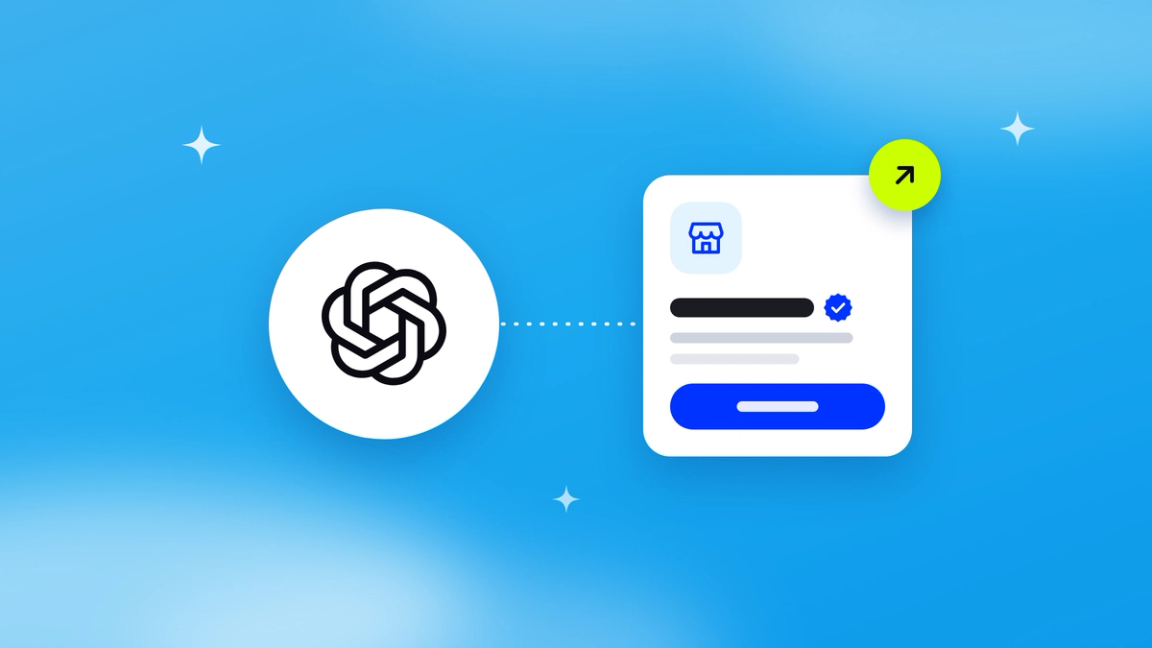
That changed on 10 November 2026, when OpenAI launched Businesses in ChatGPT in beta. You can now claim your profile, correct your details, and see how often ChatGPT mentions you and sends people to your site.
I'll be honest, I haven't claimed Spresso's profile yet. I'm doing it this week for my own business and for every one of my clients, and I'll update this post with what actually happens. But I've gone through everything OpenAI has published, plus the early reports from people who got in on day one, so here's what you need to know before you start.
My take, up front: claim it. It's free, it takes an afternoon, and for the first time you get some control over how a chatbot presents your business. Before this, ChatGPT was a complete black box. Just don't expect claiming to push you up the recommendations, because OpenAI is very clear that it won't.
Why this matters more than it sounds
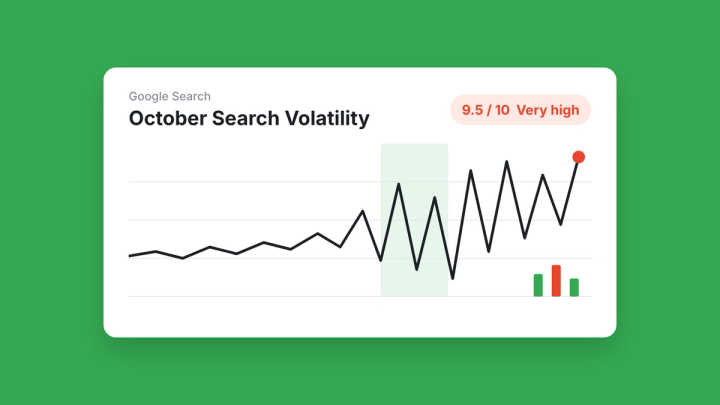
If you've been reading my posts, you know search is shifting fast. My October ranking volatility breakdown was mostly about Google, but a lot of the "where did my traffic go" questions I get now end with ChatGPT.
The numbers back it up:
- OpenAI's Adam Fry said in early November that ChatGPT has 1.2 billion weekly users, and its search-style queries are now roughly one fifth of Google's volume.
- Semrush found ChatGPT's outbound referral traffic jumped 206% year over year from January 2025 to January 2026.
- BrightLocal's 2026 survey found the share of consumers using AI for local recommendations went from about 6% to 45% in a single year.
And here's the uncomfortable bit. SOCi's 2026 Local Visibility Index found ChatGPT recommends just 1.2% of local businesses, compared with 35.9% appearing in Google's local 3-pack. So the audience is huge and the shortlist is tiny. That's exactly why having accurate information in front of ChatGPT matters. I covered the bigger picture in my 2026 digital marketing trends post, and this launch is one of the clearest signs of where things are going.
What OpenAI actually launched
There are three pieces, and you can use the first two without touching the third.
Business Hub
This is your dashboard, at chatgpt.com/business-hub or in the ChatGPT sidebar. You claim your business, verify you're legit, then edit your details and upload product feeds with pricing and availability. Verified profiles get a blue check.
Insights
Aggregated numbers on how people find your business in ChatGPT: mentions, website clicks and "discovery topics", which are the themes of conversations where you show up. More on what these really measure below.
Business Agents
A branded AI assistant that answers customer questions about your products and policies inside ChatGPT, in a separate, clearly labelled chat. This part is US only for now.
Quick naming warning. "ChatGPT Business" is OpenAI's paid workplace subscription for teams. "Businesses in ChatGPT" is this new listings program. Two different products with annoyingly similar names, and you don't need a ChatGPT Business plan to claim your profile.
Who can claim (and who can't yet)
OpenAI's wording is broad: any eligible business located where ChatGPT is available can claim through Business Hub. So at the profile level, this isn't a US-only feature.
The fine print, from OpenAI's product page and policy:
- You need a website. Claiming is initially open to eligible businesses that have one.
- Local stores and restaurants can currently only claim an existing US listing, as VentureBeat reported.
- Business Agents are limited to eligible ecommerce and online service businesses in the US.
- Not every category qualifies. OpenAI may decline businesses that raise safety or integrity concerns, and some categories are on hold.
- You must own the business or be authorised to represent it.
On launch day, at least one Brazilian agency's claim landed on a waitlist, according to PPC Land. Since I'm claiming from India for Spresso and for clients in Australia and the US, I'm curious how that plays out, and I'll report back.
How to claim your business in ChatGPT, step by step
- Sign in to ChatGPT with the account that should manage the business, and open Business Hub.
- Search for your business by name and pick the matching listing. If you're an eligible online business that isn't listed, you may be able to add it.
- Confirm the managing account.
- Verify ownership with one of the methods offered: a code to your business phone, a code to your business email, a DNS TXT record on your domain, or connecting your Shopify store.
- Wait for review. OpenAI checks the claim and emails you a decision. Barry Schwartz saw "Claim received" and then "Review in progress" when he tried it.
- Complete identity verification with Persona. Expect to provide government ID and business details that match official records. The blue check appears after this step, not before.
- Edit, upload, measure. Update your profile, add a product feed, open Insights and, if you're eligible, build your Business Agent.
If you or your developer can touch DNS, use the TXT record. It's the cleanest proof of ownership, the same idea as verifying a domain in Google Search Console.
You can watch OpenAI's own walkthrough of the process on YouTube, and the full official steps are in the help article, Setting up your business on ChatGPT.
What you can edit
Once you're verified, you can update your website, business description, product or service category, logo, delivery policy and return policy, plus a cover photo. OpenAI's policy also expects your name, address or service area, hours, contact details and offerings to be accurate and current.
Two things to know:
- Every edit is reviewed before it goes live. It's not instant.
- ChatGPT still uses other sources. Your profile is one input, not the whole story.
That second point is the one I'd underline. I've seen ChatGPT get a client's details wrong before, and when I dug in, the cause was obvious. Their NAP (name, address, phone) didn't match across their website, Google Business Profile and a handful of directories. ChatGPT was just repeating the mess. The first thing we did was make every listing say exactly the same thing, and the answers cleaned up after that.
So claiming your ChatGPT profile won't fix things if your website says one thing and Yelp says another. Fix the source data too.
Retailers can also upload a product feed (CSV or JSONL) following OpenAI's commerce spec, or connect Shopify to sync it automatically. Prices, stock and images all flow through.
The numbers: what Business Hub actually shows you
This is the part SEOs got excited about. Kevin Indig called it "a sort of Search Console for ChatGPT". It's useful, but read the definitions carefully.
- Mentions (online business): counted when ChatGPT references your website. Your brand name alone doesn't count.
- Mentions (local business): counted when ChatGPT shows a result for your location, even if nobody opens it.
- Website clicks: recorded clicks on links to your site. OpenAI's own tooltip says they don't confirm visits or conversions.
- Discovery topics: grouped conversation themes, not the actual prompts.
- Time window: the past 28 days, with a 7-day view too.
Now the reality check. OpenAI's demo shop shows 15,356 mentions and 5,432 clicks in a week, roughly a 35% click ratio. The first real dashboards people shared were far humbler. One showed 690 mentions and 24 clicks over 28 days, about 3.5%. Two dashboards aren't a benchmark, but I wouldn't plan a quarter around the demo.
What you don't get: the prompts behind each mention, what users actually asked, competitor comparisons, or rankings. Smaller businesses may also see blank metrics until they cross OpenAI's unpublished thresholds. Blank doesn't mean zero.
My workaround: ChatGPT tags outbound links with `utm_source=chatgpt.com`, as Flavio Copes spotted. Set up a segment in GA4 today so you can see what actually lands on your site. And keep an eye on branded search too, because Similarweb found a lot of ChatGPT's influence shows up as people Googling your name afterwards, not as a referral.
Business Agents and the ads angle
After claiming, eligible US online businesses can build, test and publish a Business Agent. A shopper sees your business in an answer, opens your profile, hits "Start chat", and asks things like "Can I return a sale item?" or "Which of these fits a small apartment?"
What it can't do: complete purchases, make bookings or look up orders. The sale still happens on your website. That's deliberate. OpenAI tried in-chat buying with Instant Checkout in 2025 and retired it earlier this year.
Is it worth setting up? I think so, if you're eligible. People are already asking ChatGPT about products and services, so if you can shape the answers they get about your brand, with your real policies and your actual catalogue, you should. It's a lot better than hoping ChatGPT guesses right.
Now the money part. Businesses can sponsor their Business Agent and use it as the destination for ChatGPT Ads. OpenAI's VP of Monetization, Benji Shomair, told Digiday to "think of the business agent as the organic experience". He also said Business Hub is free for now, but didn't rule out charging later.
So the free agent and the paid placement are the same agent. Sponsored placements are labelled, and OpenAI says ads don't influence ChatGPT's own answers. I don't think that's sinister. It's basically how Google built its business: give you free tools that show your visibility, then sell you more of it. My advice is to set up the organic side properly first, then treat sponsored agents as a separate ad decision once you have real data. I wrote about the same pattern when Google started testing ads in AI Mode, and if you're keeping track of the paid side, my Google and Meta Ads updates roundup covers the rest.
Businesses in ChatGPT vs Google Business Profile
| ChatGPT Business Hub | Google Business Profile | |
|---|---|---|
| Cost | Free, for now | Free |
| Verification | Phone, email, DNS or Shopify, plus Persona ID | Phone, text, email, video or postcard |
| Analytics | Mentions, clicks, discovery topics | Views, searches, calls, directions, clicks |
| Search terms | Themes only | Yes |
| Local businesses | Existing US listings only, for now | Worldwide |
| Ranking impact | "Does not guarantee higher placement" | Profile quality affects local results |
This doesn't replace Google Business Profile, Bing Places or Apple Business Connect. It sits alongside them. And going back to my NAP story, keep your name, address and phone identical across all of them.
What this means for local SEO and GEO
Three things I'd keep in mind:
- Claiming won't rank you. OpenAI's product page says claiming doesn't guarantee higher placement or sales. What it does is make the information about you accurate, which can help ChatGPT match you to more relevant conversations.
- Third-party sources still matter a lot. Yelp now licenses its reviews, ratings and photos to OpenAI under a non-exclusive deal announced in July. If your Yelp page is a mess, fix it.
- Your website is still the foundation. For online businesses, a "mention" literally means ChatGPT cited your website. Clear pages that say what you sell, who it's for and what your policies are remain the core of generative engine optimisation. If you want to go deeper, my guides on building topical authority and internal linking apply just as much to AI search as they do to Google.
What I'd do this week
- Claim your profile in Business Hub and verify with DNS if you can.
- Complete Persona verification so you actually unlock edits and insights.
- Fix your return policy, delivery policy, category and description first.
- Make sure your website, Google Business Profile and directories all say exactly the same thing.
- Add a GA4 segment for `utm_source=chatgpt.com`.
- Screenshot what ChatGPT says about you today so you have a baseline.
- If you're a US online business, build a Business Agent, but test it hard with real customer questions before publishing.
- Clean up Yelp, Bing Places and Apple Business Connect while you're at it.
FAQ
What is Businesses in ChatGPT?
It's OpenAI's beta program, launched 10 November 2026, that lets businesses claim a profile in ChatGPT, manage their information, upload product feeds and see aggregated insights through Business Hub.
Is it free?
Yes, for now. OpenAI has said Business Hub and Business Agents are free but hasn't ruled out charging later. Ads are a separate, paid product.
Can businesses outside the US claim a profile?
Yes, if they're eligible and located where ChatGPT is available. Business Agents and local store listings are US only for now.
Will claiming my business help me rank higher in ChatGPT?
No. OpenAI says claiming doesn't guarantee higher placement. ChatGPT still makes its own independent recommendations.
Can I see what people asked ChatGPT about my business?
No. You get grouped discovery topics, not prompts or conversations.
How is this different from ChatGPT Business?
ChatGPT Business is a paid workspace subscription for teams. Businesses in ChatGPT is about how your business appears to other people using ChatGPT.
Can my agency manage it for me?
Yes. The admin who claimed the business can add teammates and grant agency access, each using their own ChatGPT account. No password sharing needed.
Want help getting this right?
Claiming takes an afternoon. Getting ChatGPT to actually understand and recommend your business takes a bit more. At Spresso Studio, I help businesses get found in Google and in AI answers, from SEO and GEO to paid ads to the website that ties it all together. Get in touch and I'll check what ChatGPT says about your business today.